
For many years, travel was often associated with ticking destinations off a list as quickly as possible. Travellers would visit multiple cities in a short space of time, spending only a day or two in each location before moving on to the next. While this style of travel remains popular, an increasing number of people are embracing a different approach known as slow travel.
Slow travel encourages visitors to spend more time in a destination and experience it in a deeper, more meaningful way. Rather than rushing between attractions, travellers focus on immersing themselves in local culture, food, traditions and everyday life. This creates opportunities to build a stronger connection with the places being visited.
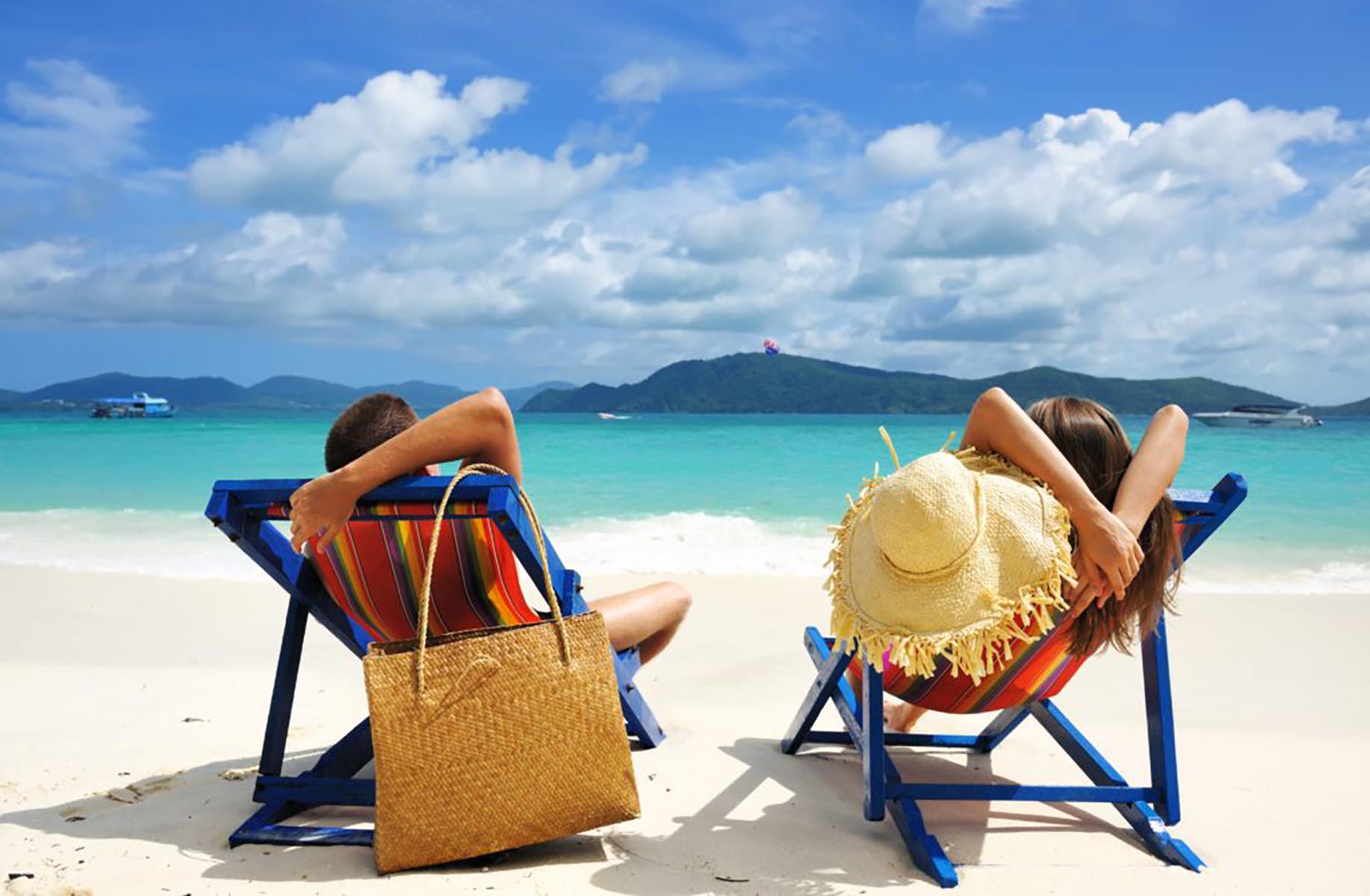
One of the main attractions of slow travel is the reduced stress it offers. Constantly moving between destinations can be exhausting and leave travellers feeling as though they need a holiday after their holiday. Spending longer in one place allows for a more relaxed pace and provides time to enjoy experiences that might otherwise be overlooked.
Slow travel also encourages greater cultural understanding. By spending additional time in a destination, visitors have the opportunity to explore beyond the main tourist attractions and discover neighbourhoods, markets and local businesses that reveal a more authentic side of a location. Conversations with residents and participation in local customs often become some of the most memorable parts of a trip.
Financially, slow travel can often be surprisingly economical. Longer stays may reduce transportation costs and provide access to better accommodation rates. Travellers can also shop at local markets and prepare some meals themselves, helping to stretch their budget further.
The rise of remote working has further accelerated interest in slow travel. Many people now have the flexibility to work from different locations, allowing them to spend weeks or even months in destinations they previously might have visited for only a few days.
As travel preferences continue to evolve, slow travel offers an appealing alternative for those seeking meaningful experiences, reduced stress and a stronger connection with the places they visit.